TRACES - a wander in 4 parts
Part 1
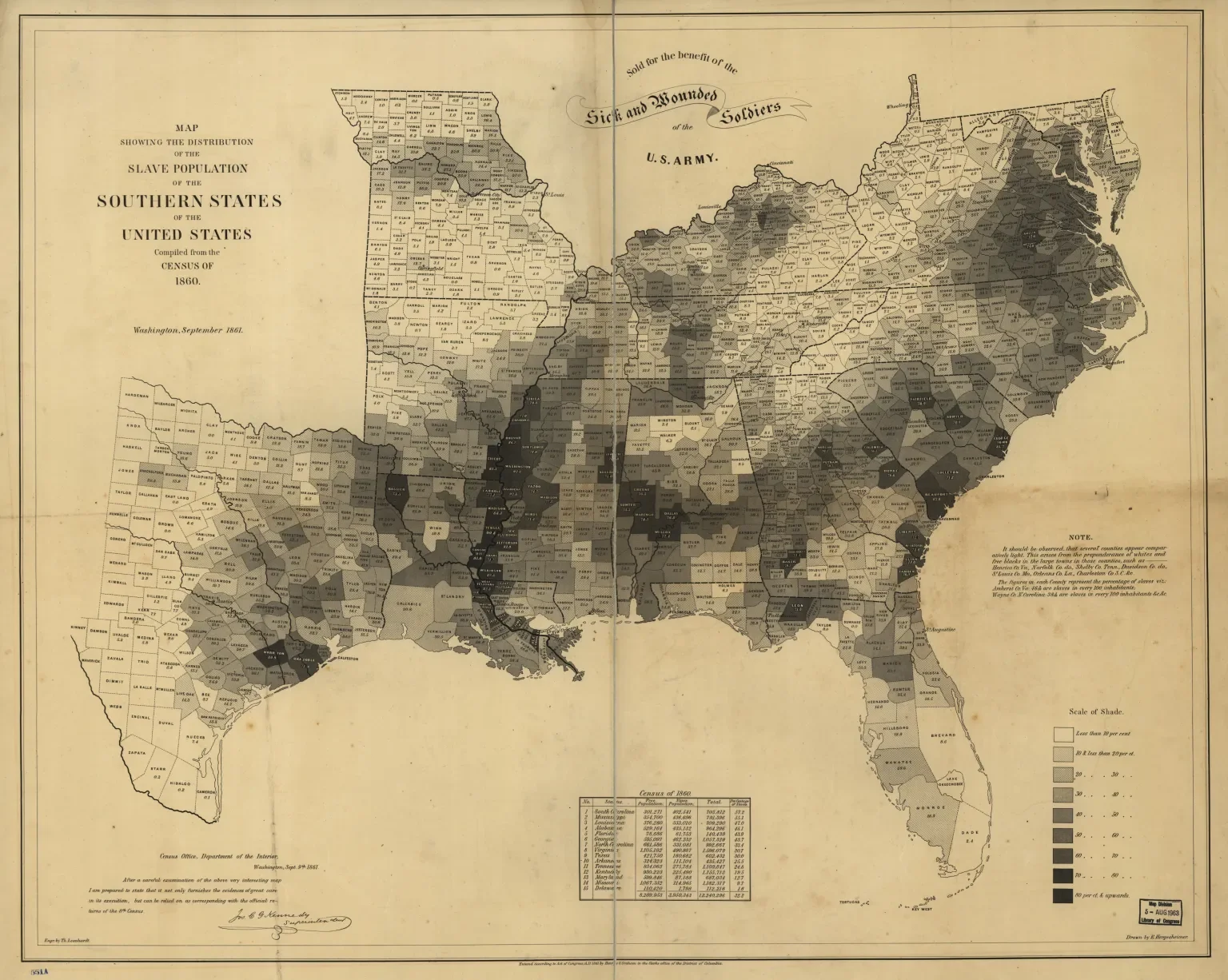
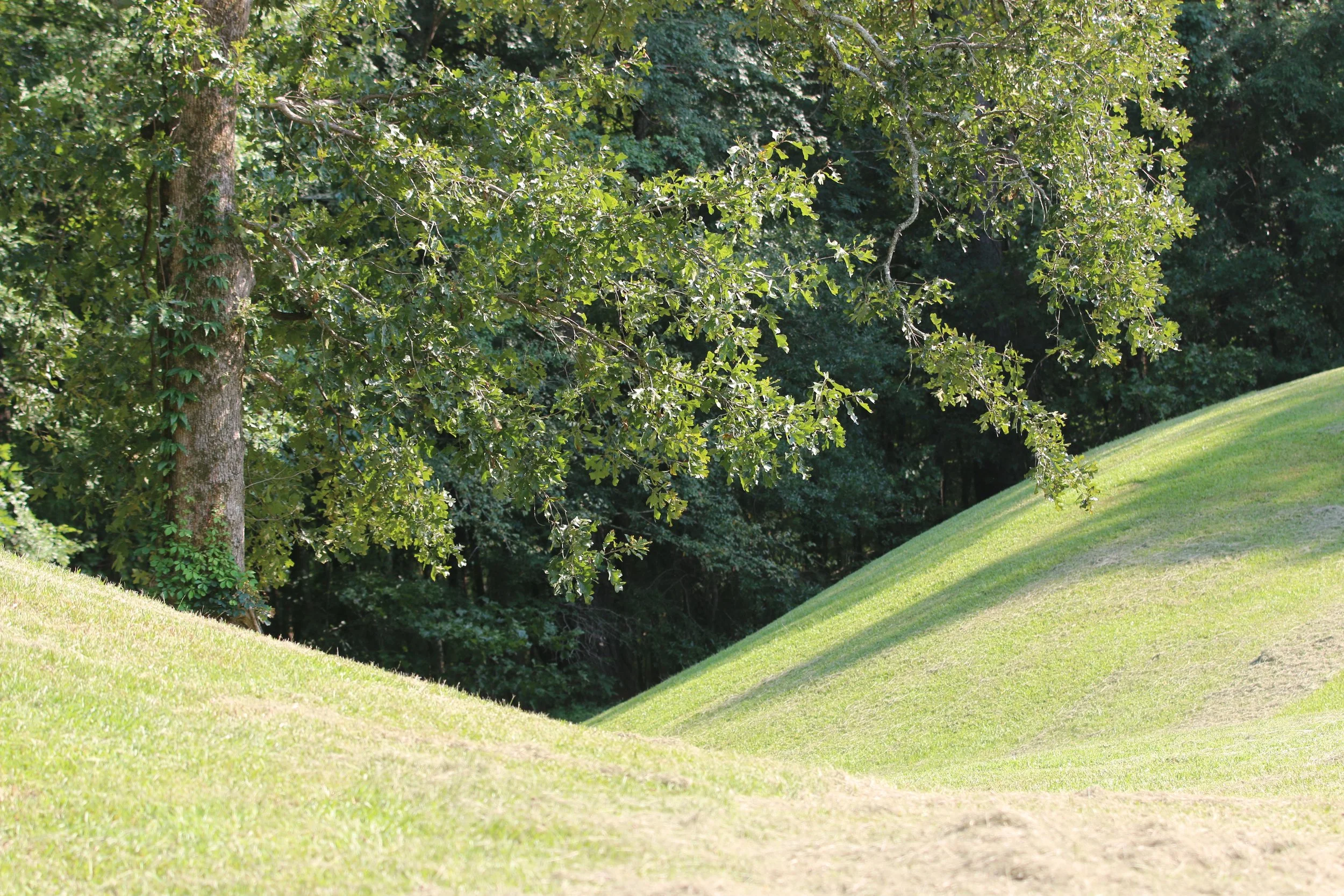
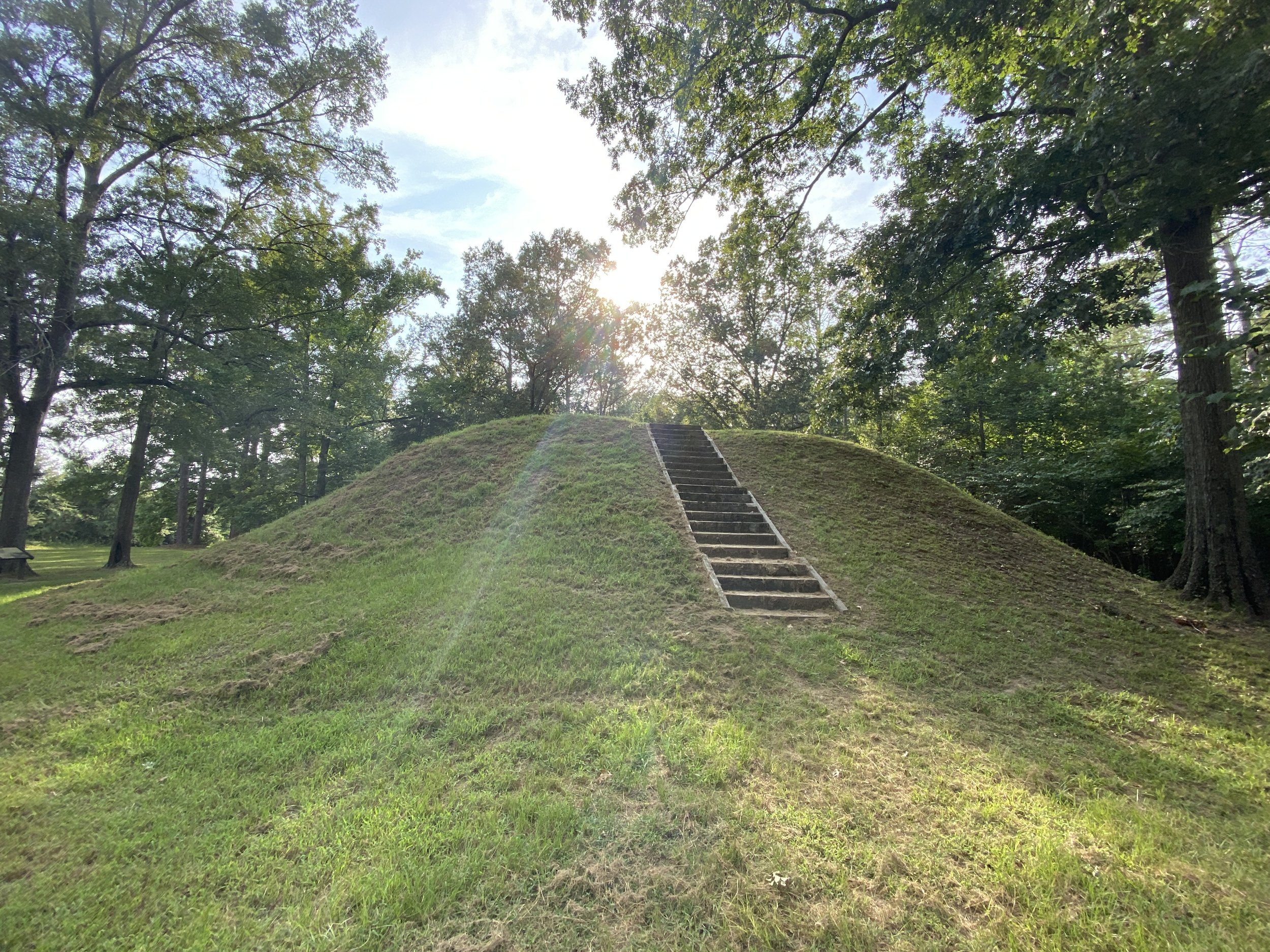
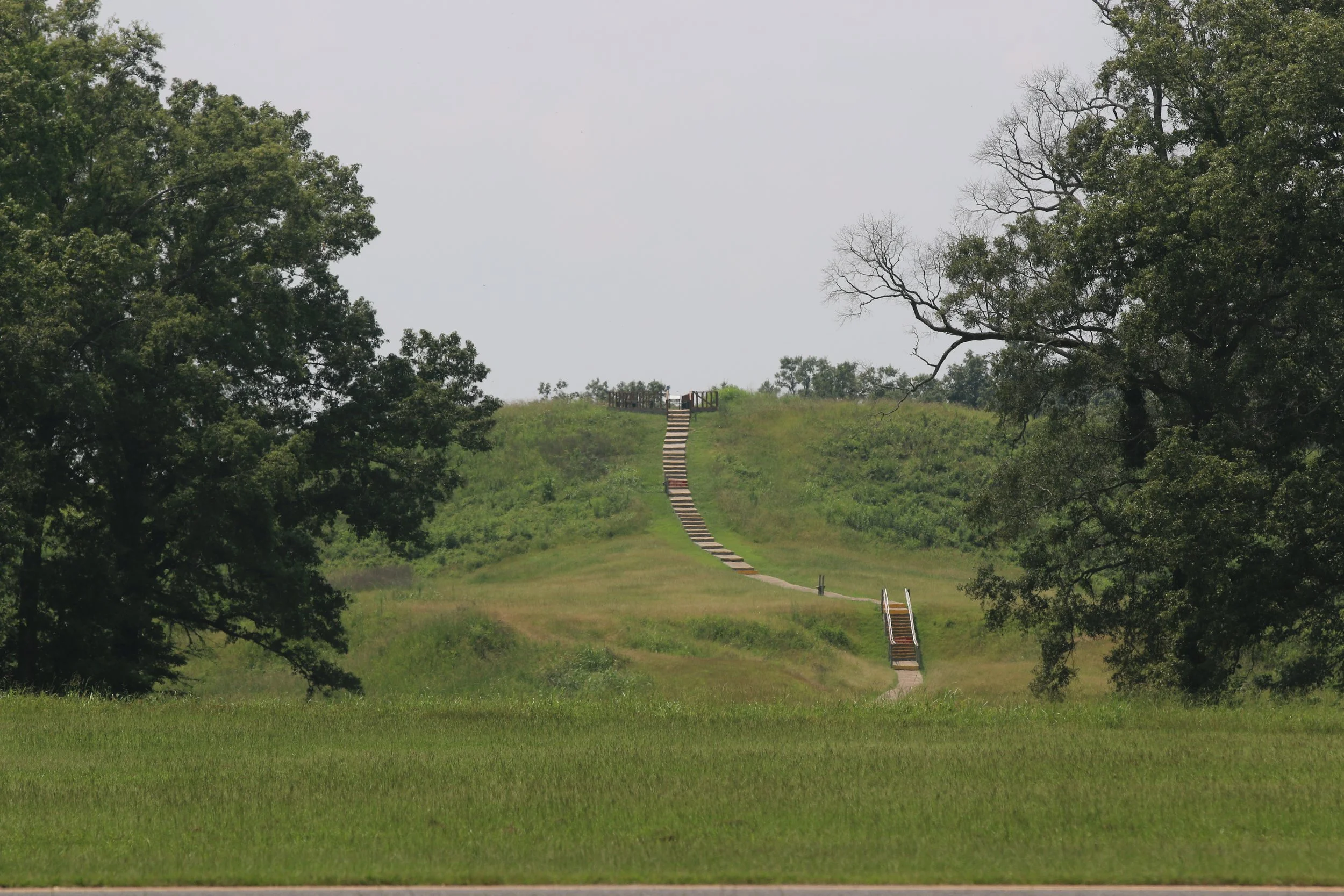
The Natchez Trace was used and codified by ancient indigenous people. Their settlements included large earthworks colloquially known as mounds. There are many mounds found along the Trace, including Emerald Mound and Bynum Mounds, each representing different groups and times. The largest, and oldest, earthworks are found at Poverty Point, LA, built roughly five thousand years ago (3000 BC). In their book, the Dawn of Everything, Graeber and Wengrow theorize that these monumental structures (some 75 feet high) were built by a society that existed without hierarchy; there is no evidence of a religious or dynastic ruling body. This society may have organized itself as a kind of community group that collectively decided to create these structures for reasons that remain obscure.
To represent the different time streams included in Traces we created three stories, each an attempt to inhabit or see through the eyes of a person living in their time. We decided to record these stories on an old reel-to-reel Nagra tape recorder, itself a piece of history. The tangible, magnetic quality that the tape brings creates space in the audio mix, adding warmth to the human voice.
Part 2
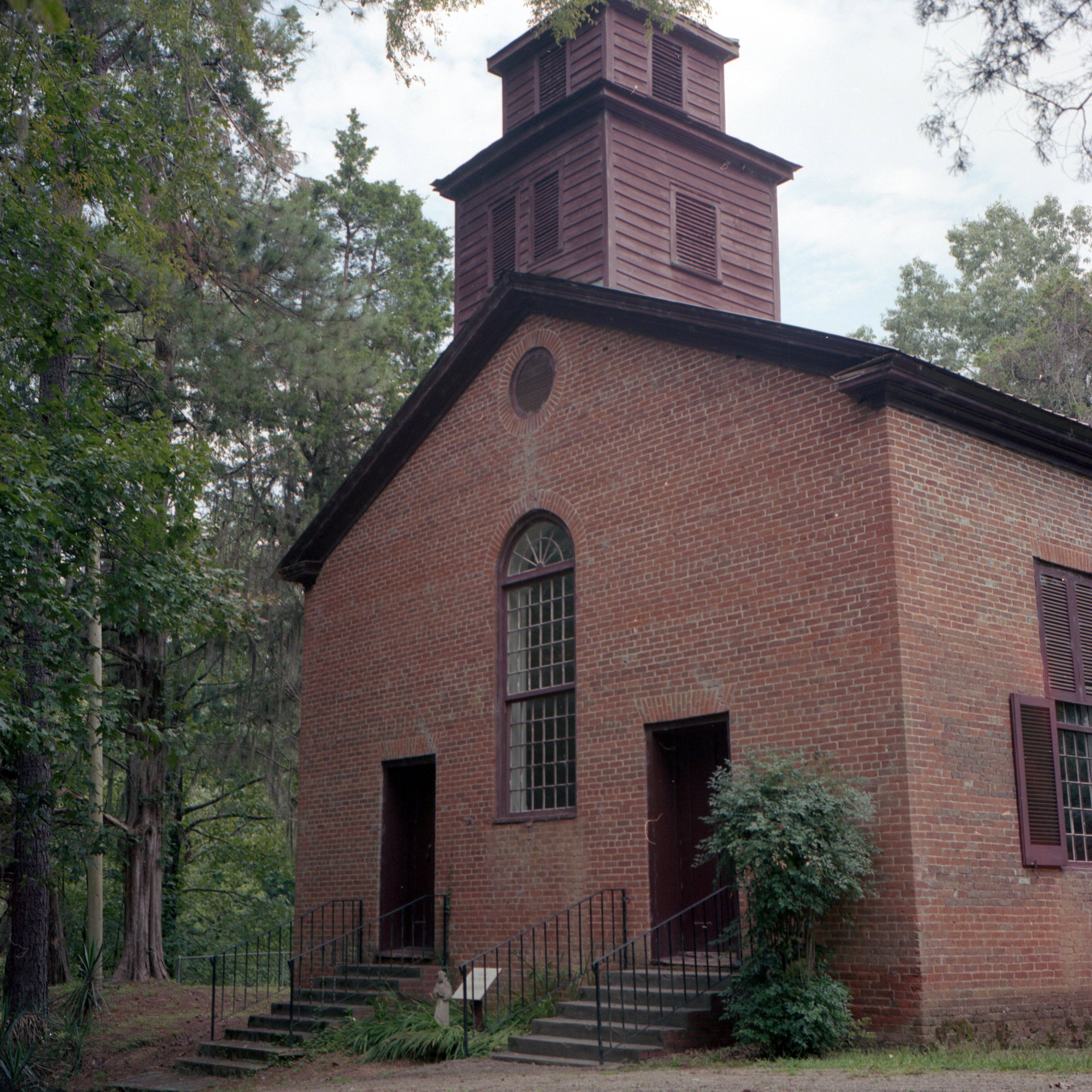
The ghost town of Rocky Springs, MS reached its height of development in the mid-1800s. As an agricultural, cotton-based town, Rocky Springs is emblematic of the colonial-era and after. Enslaved people worked the land, sustaining the town. The town began to dwindle after the Civil War, and eventually disease and soil erosion sealed its fate. The only remaining remnant of the town is the Methodist Church found there.
Inside the Rocky Springs church, we found a slightly out of tune piano. We were able to improvise and record on this piano, and it eventually became the sonic center piece of the Traces album. One particular section has us both at the piano, developing ‘clouds’ of sound: using roots, fifths, and sevenths of a D chord to create a resonance in the space, having the building reinforce the sound of the piano. This practice is most famously associated with Charlemagne Palestine and LaMonte Young in their works for piano. In performance, we augment those pre-recorded sounds with a layer of live piano, a temporal and sonic co-location of histories, both contemporary and hundreds of years away.
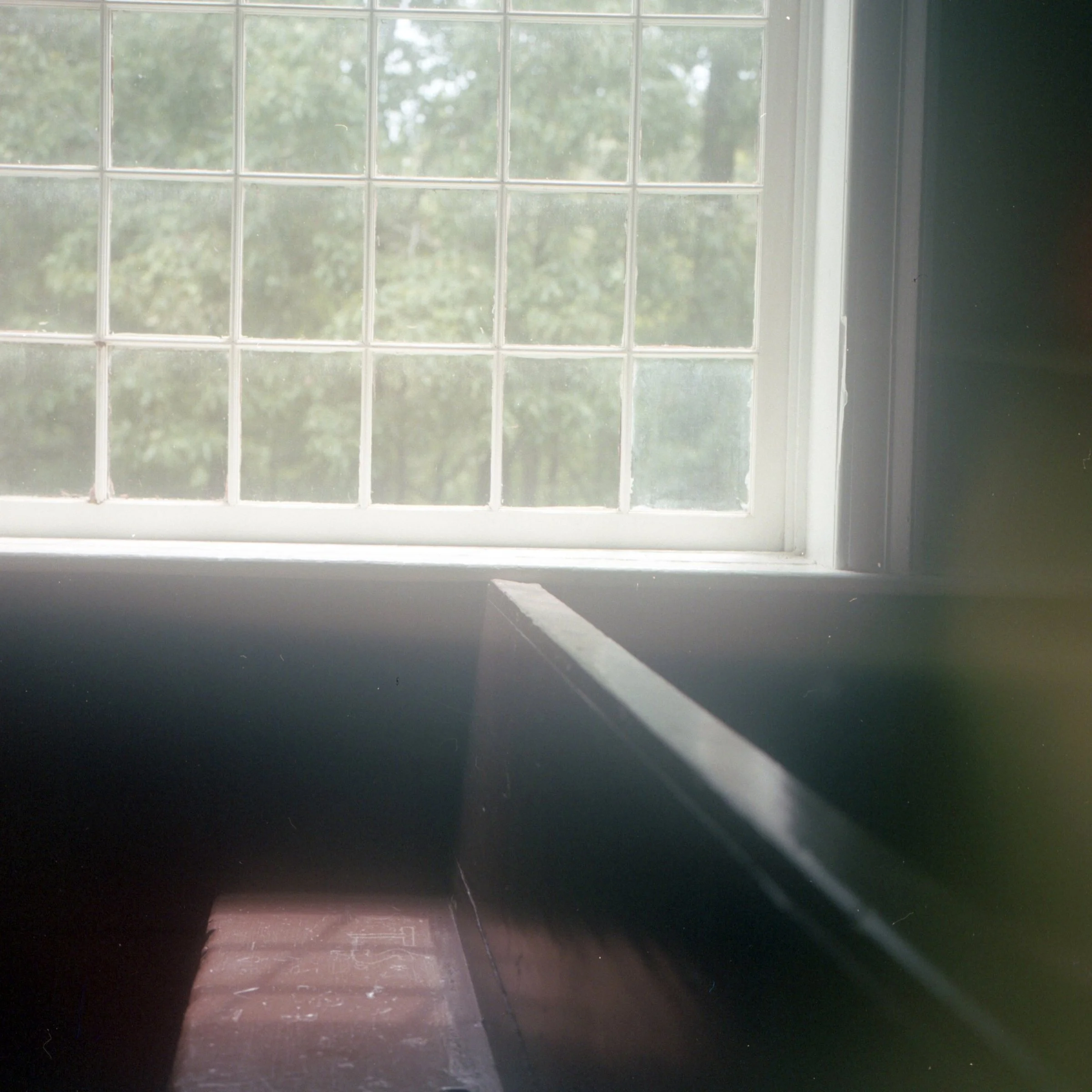
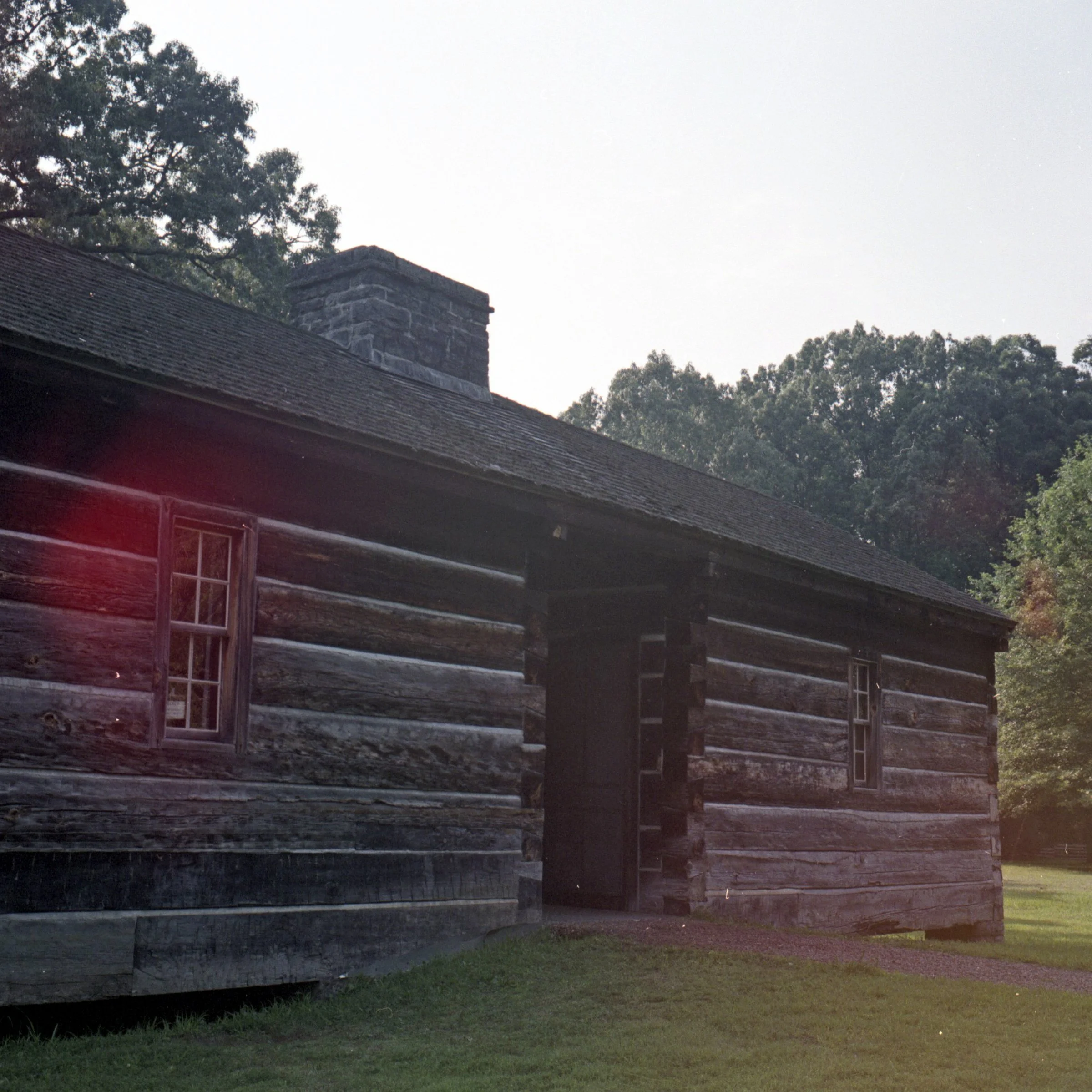
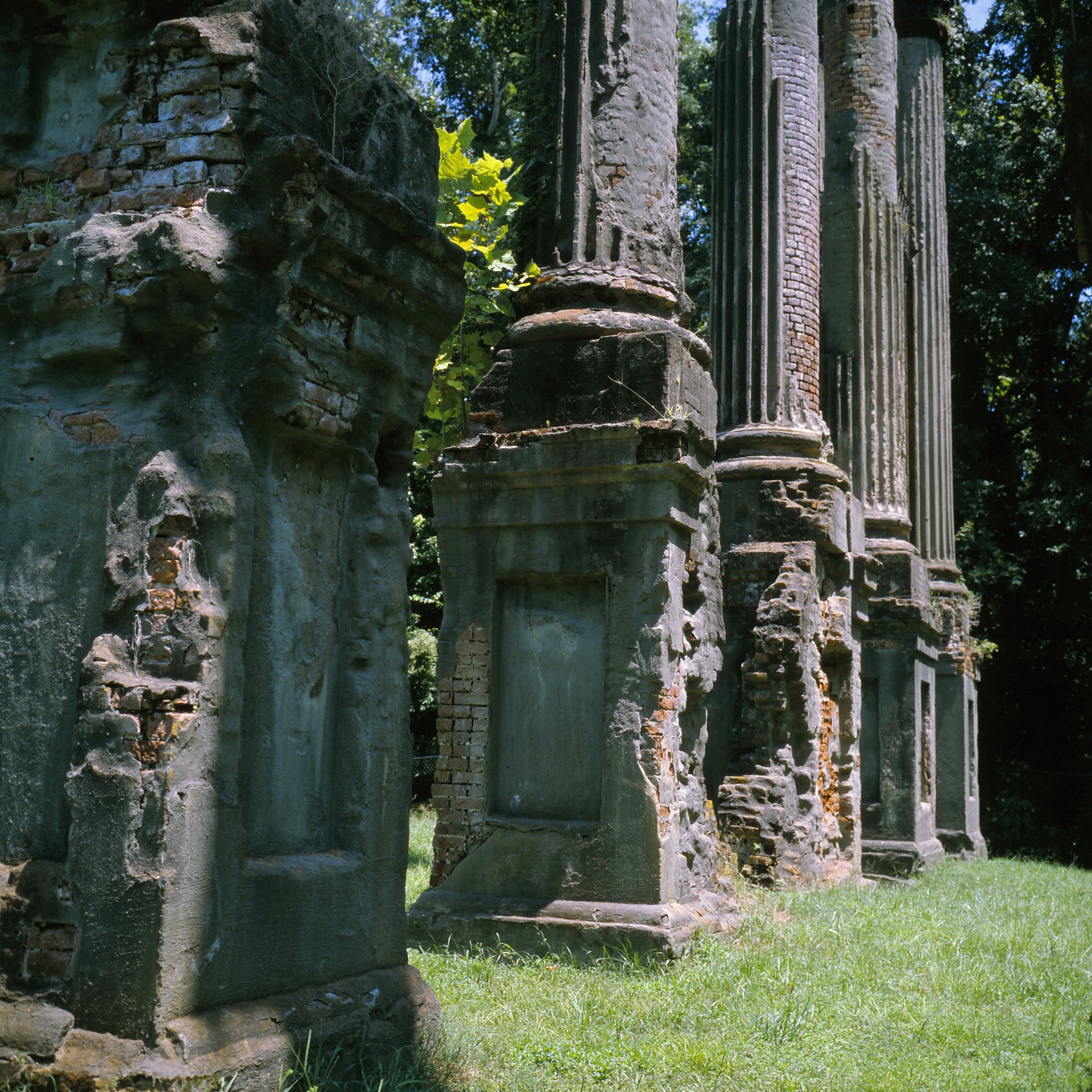
One aspect of our documentation process was to take photographs on film using an old Rolleiflex TLR, shown below.
Part 3
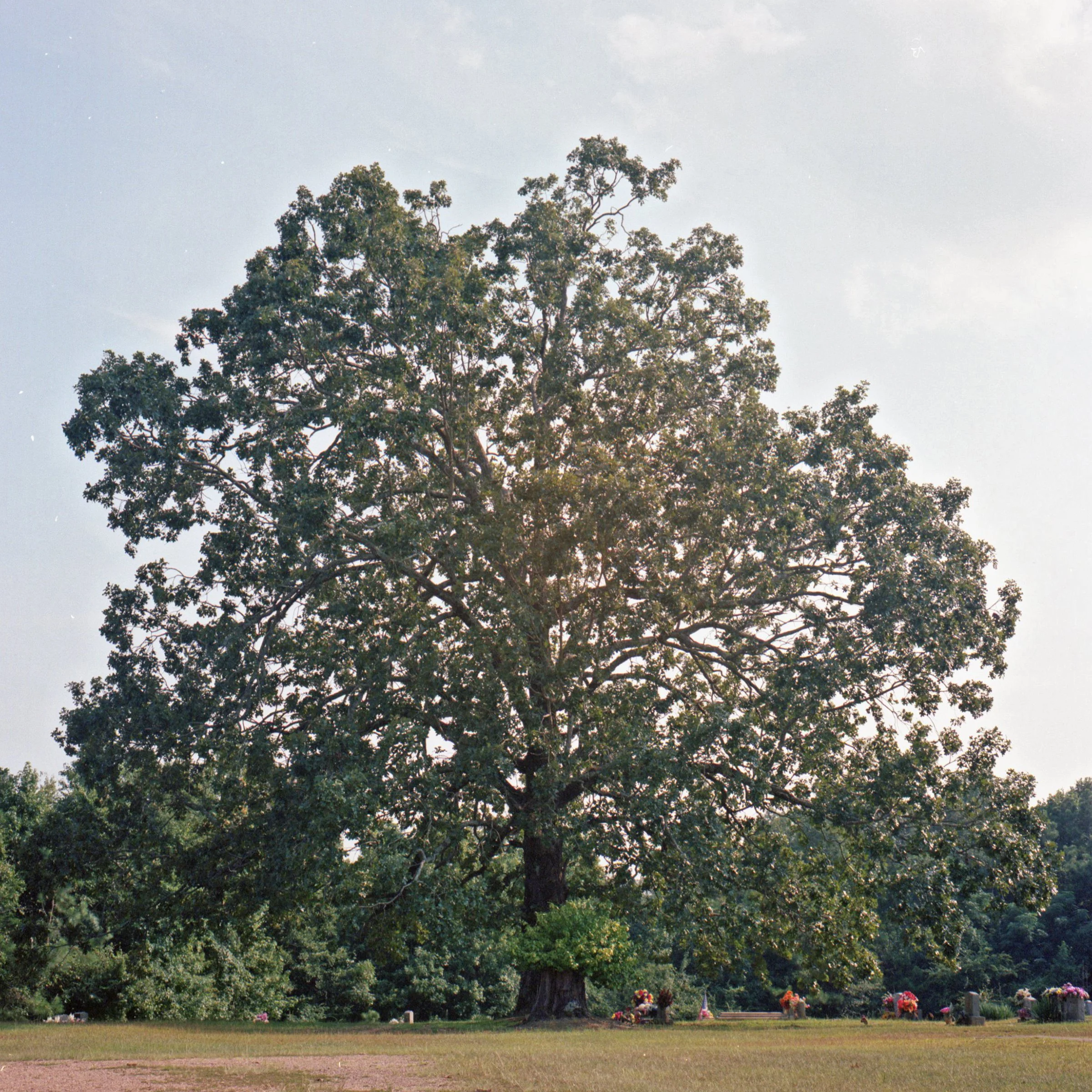
Philadelphia, MS is a town with ghosts. Some places feel haunted before you even step foot in them. As we drove through the city and Neshoba County we felt an eeriness, something unstable in the air. The murders of Chaney, Goodman, and Schwerner will never leave this town; a stain that can never be erased. And yet we continue on.
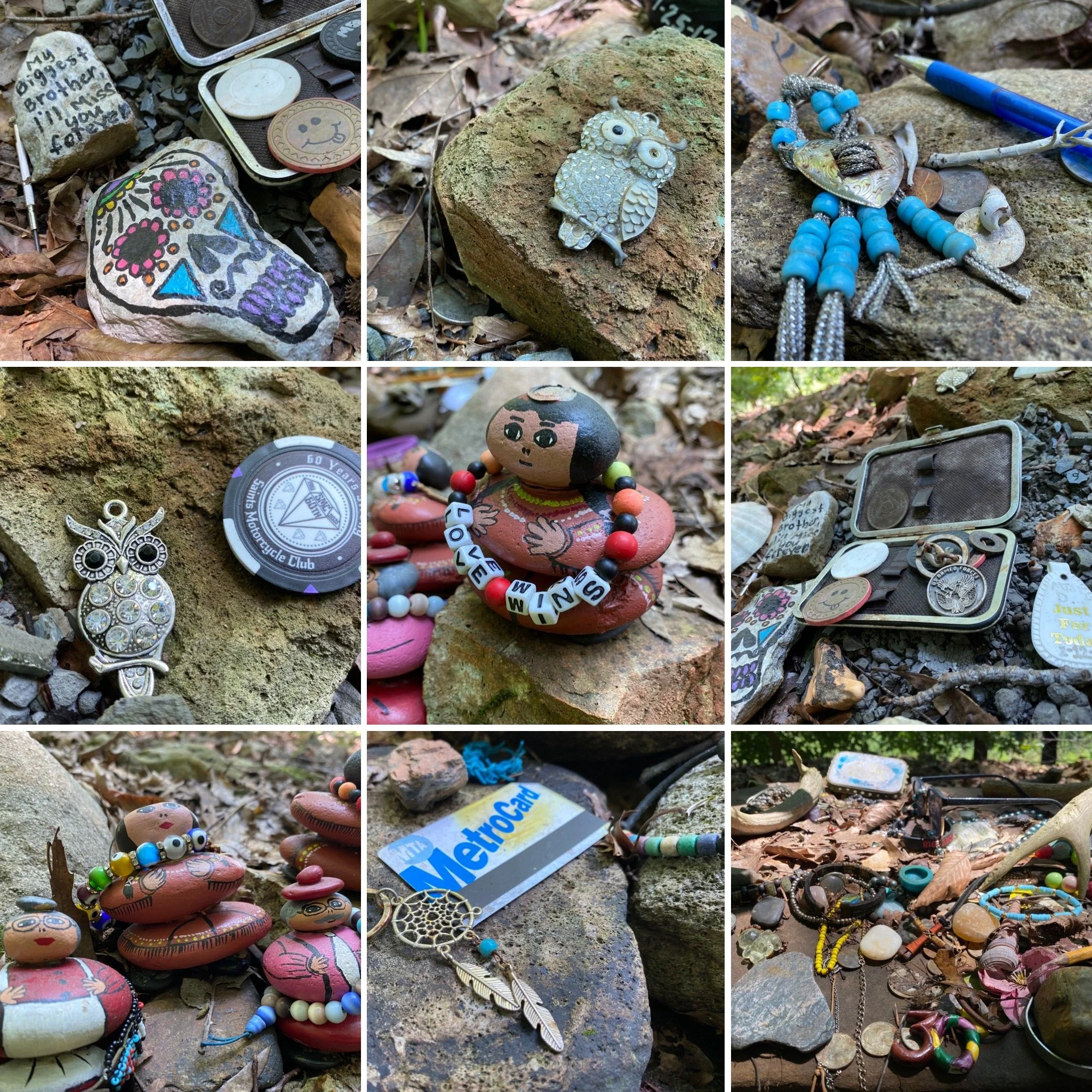
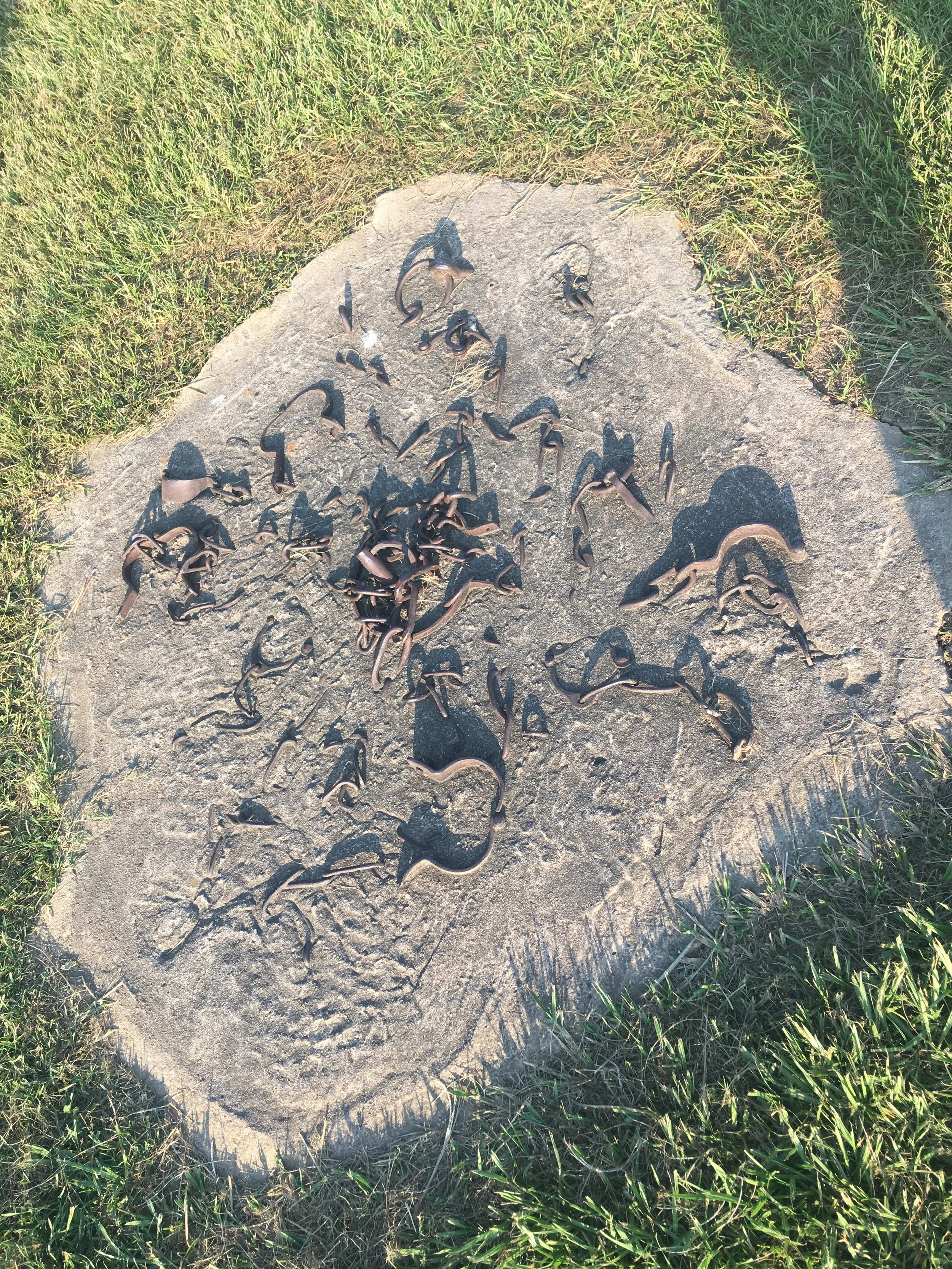
Songs became another way to process what we were experiencing, a way to engage with those emotions. Sometimes they could be whimsical, such as Ben’s song about the Wichahpi wall, a piece of folk art in Alabama. Or about our mortality in John’s instrumental guitar piece Bones’ Box. These rough recordings might be incongruous to the rest of the sonic stew we created but they are a part of our musical lives, a way to unite our musical selves.


Part 4
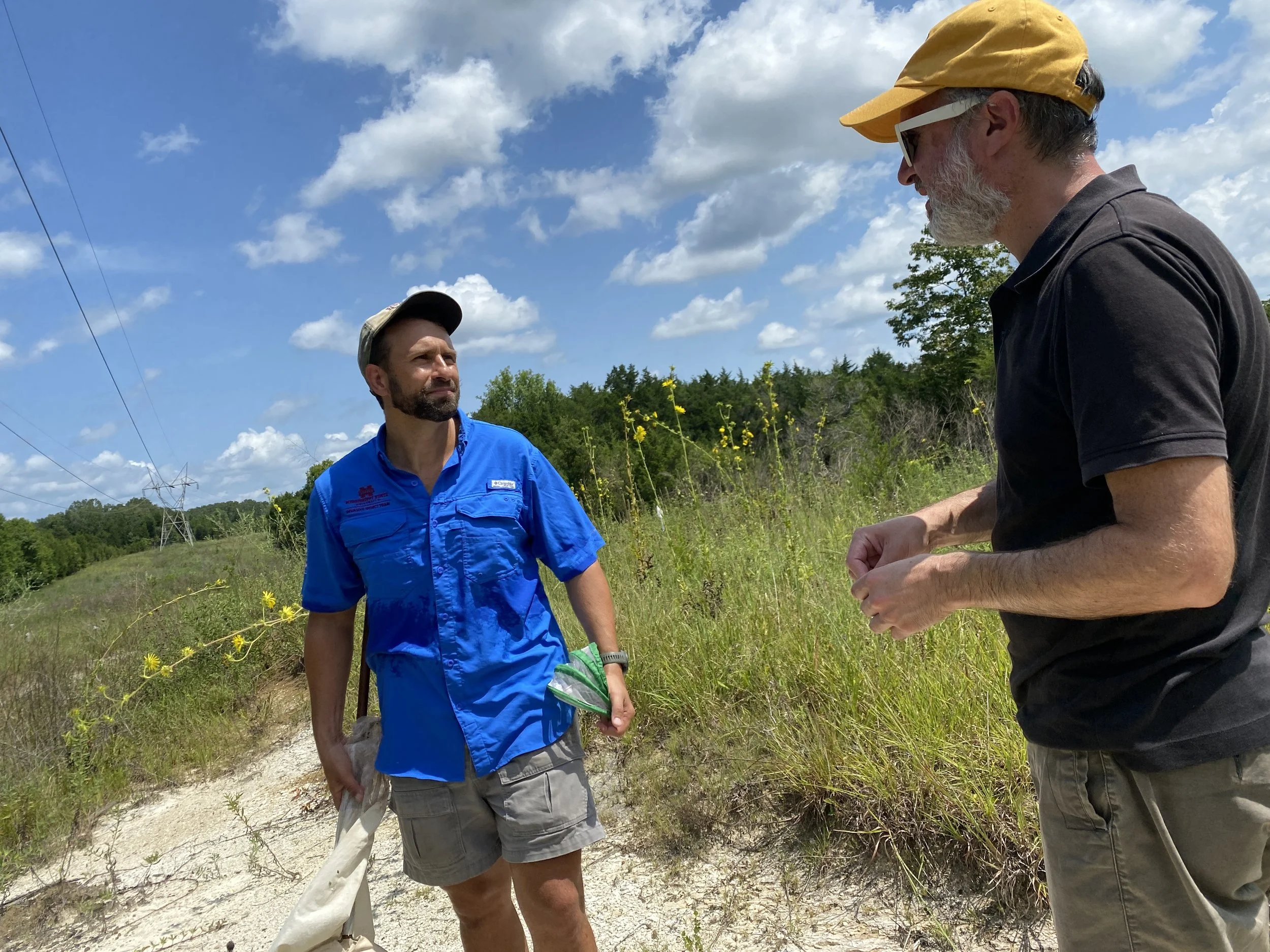
The Black Belt Prairie is a crescent shaped length of particularly rich soil that runs from the northeast corner of Mississippi to the middle of Alabama. This richness is derived from this area being the coastline of an ancient ocean where millions upon millions of organisms laid to rest. These literal layers of history led us to speak with Mississippi State entomologist JoVonn Hill who gave us a particularly penetrating interview on this part of the world. Parts of the original grassland prairie are counterintuitively being restored and conserved by the proximity of the Tennessee Valley Authority’s power lines, which hang over parts of this natural regeneration.
Folding JoVonn into the album led to us editing and hard stereo-panning his words, creating a density of information in a relatively short amount of time. An antecedent to this concept can be found in the noted pianist Glenn Gould’s Solitude Trilogy, a series of proto-podcasts, or what he called “contrapuntal” radio. In the series of pieces, Gould investigated and probed different parts of the Canadian psyche, most famously in The Idea of North. A wide variety of interviewees
describe their perceptions of what constitutes the north and these words overlap, collide, bump, and very much strain the listener at times. It rewards repeat listenings and continues to exert a fascination in how to create an audio work in a new and compelling mode.